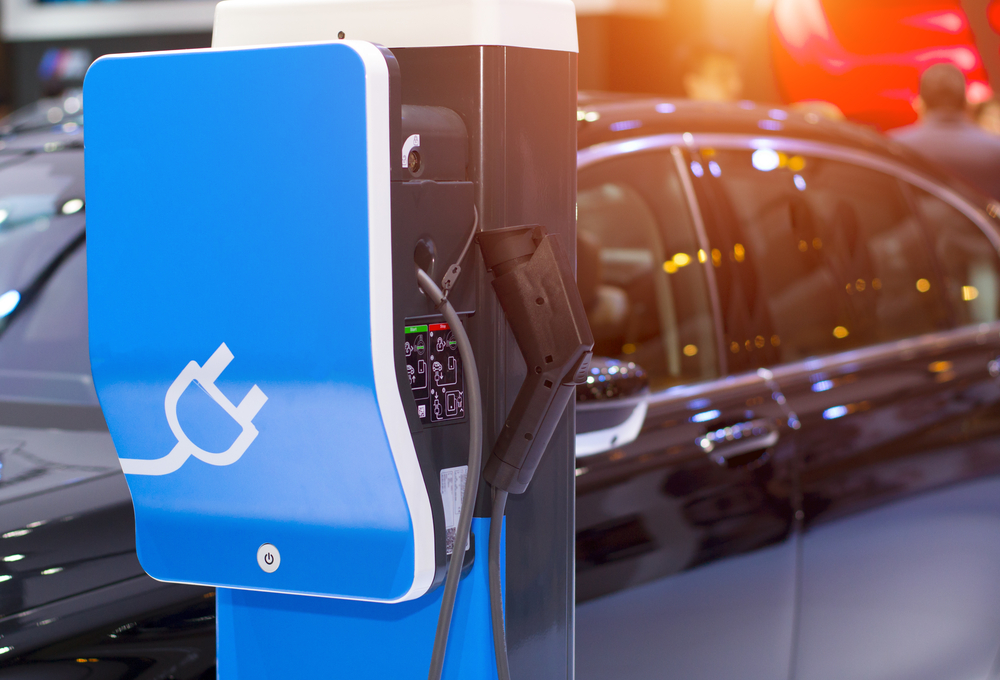
In 2025, less than 10 percent of the battery-electric vehicles on the market cost less than 30,000 euros, while for internal-combustion vehicles, this figure was approximately one-quarter of the market.
According to the latest data from ACEA, the number of new registrations of battery-electric vehicles in Slovakia from January to August of this year increased by 41.2 percent year-over-year, which represents relatively strong growth. In the EU as a whole, the figure rose by 44.9 percent. However, Slovakia is growing from a much lower baseline. The share of battery-electric vehicles in new registrations was 21.7 percent in the EU, compared to only about 6.6 percent in Slovakia.
By comparison, this share was approximately 7.0 percent in the Czech Republic, 5.1 percent in Poland, and 9.6 percent in Hungary. Public charging infrastructure, however, is expanding. At the end of 2025, there were 3,086 public charging points in Slovakia, a 27 percent increase year-over-year. The slower adoption of electric vehicles cannot, therefore, be explained solely by a lack of public charging infrastructure. The purchase price of vehicles remains a key factor.
The lower share of electric mobility means that Slovak road transport remains largely dependent on gasoline and diesel, and thus on oil price trends and the security of supply. In its report on Slovakia, the European Commission states that in 2025, the country was still almost entirely dependent on Russian oil supplied via the Druzhba pipeline. However, Slovakia managed to weather the interruption of the Druzhba pipeline between January 27 and April 23, 2026, thanks to increased supplies of non-Russian oil via the Adria pipeline, and even replenished its emergency reserves during this period. Oil vulnerability can thus be reduced not only through the electrification of transportation but also through the diversification of suppliers and transport routes.
Slovakia has long-term potential for electromobility, primarily due to its relatively robust energy sector, which is dominated by reliable and emission-free nuclear power. According to the International Atomic Energy Agency, approximately 64 percent of the electricity generated in 2025 came from nuclear sources.
Significant dependence on oil in domestic transportation should thus decline over the long term as electric vehicles become more affordable and accessible to users.
Peter Svoreň, CEO of ApmeFX Trading Europe Ltd.